



Investment in consumer technology startups has been stagnant since 2022 as turbulent macroeconomic conditions and rising inflation have made VCs wary of consumer purchasing power. Over the past few years, most AI investments have focused on acquiring enterprise customers that offer fat checks, multi-year contracts, and rapid scale-up paths.
But one venture capital firm believes the consumer sector is gearing up for a comeback in 2026.
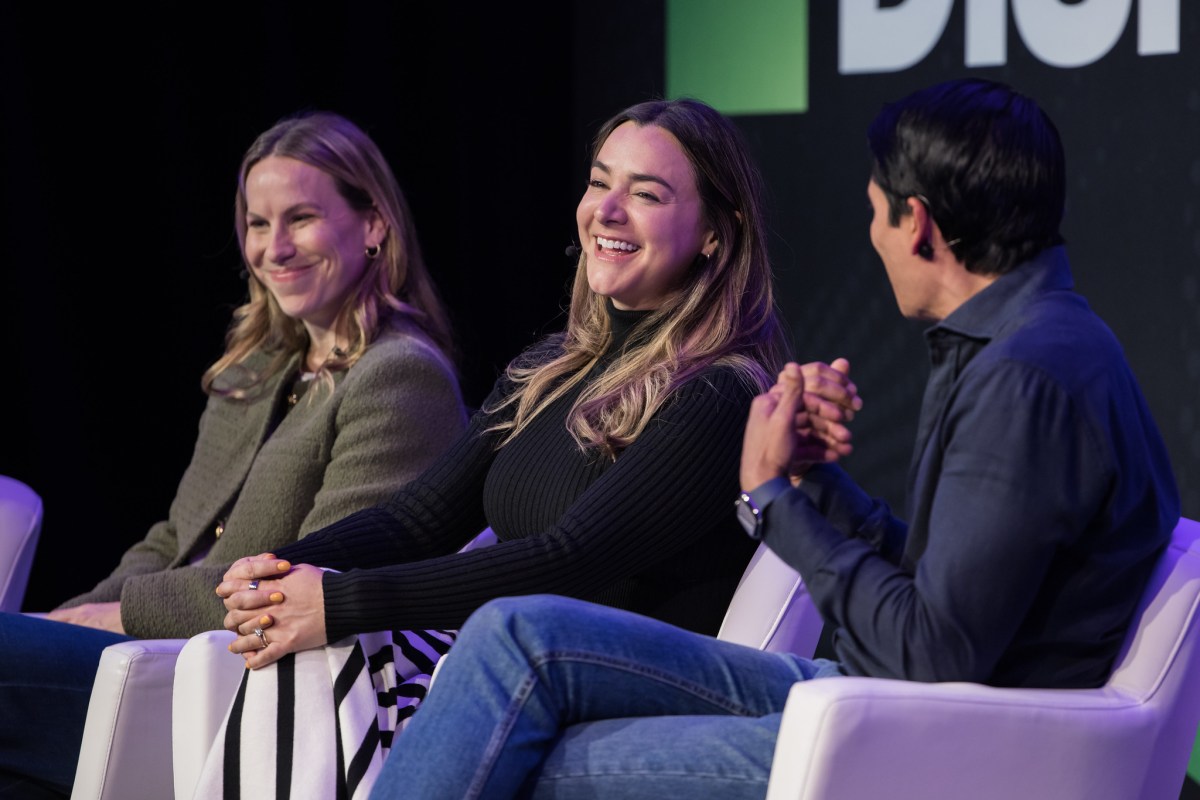
“This is going to be the year of the consumer,” Vanessa Larco, a partner at venture firm Premise and a former partner at NEA, said on this week's episode of the Equity podcast.
Even though businesses have large budgets and are enthusiastic about implementing AI solutions, they often stall because they “don't know where to start,” Larco says.
“The interesting thing about consumers and prosumers is that people already have in mind what they want to use it for,” Larco continued. “And they buy it, and if it meets their needs, they keep using it.”
In other words, adoption will be faster and startups building AI products won't have to guess whether their product actually fits the market or if they just won a contract.
“If you're selling to a consumer, you'll know right away if it's meeting their needs. You'll also know right away if you need to pivot, make changes, or scrap the product completely and start something else entirely,” Larco says.
tech crunch event
San Francisco | October 13-15, 2026
And in today's anxiety-inducing economy, consumer technology products that manage to scale exhibit particularly strong product-market fit.
There are early signs that consumer technology is ripe for opportunity. Late last year, OpenAI launched the ChatGPT app, allowing users to shop on the Target app, search the housing market on Zillow, book travel on Expedia, create playlists on Spotify, and more through the ChatGPT chatbot experience.
“AI will become a concierge-like service, doing everything you can think of,” Larco says. “The question is, which should be specialized and which should be general?”
Or, to put it another way, as OpenAI looks to make ChatGPT the new operating system for the consumer internet, which legacy companies like TripAdvisor and WebMD will remain and which will be gobbled up by OpenAI?
Larco believes 2026 will be a “gangbuster” year for M&A, but is interested in investing in startups that “OpenAI is not going to kill.”
“OpenAI does not manage real-world assets,” she said. “I don't think they're going to create a competitor to Airbnb because they don't want to manage housing…I don't think they're going to create a marketplace that requires real humans because they don't want to manage humans.”
Regardless of which startups can fill that gap, Larco is looking at what happens if OpenAI “decides to take Apple or Android out and take 30% of all traffic sent.”
“Would Airbnb want to do that?” she asked.
Overall, Larco predicts new monetization strategies and novel business models will emerge from the evolved online consumer experience.
“Society must change”
Larco was doomscrolling on Instagram about President Trump's arrest of Venezuelan leader Nicolas Maduro when he noticed something. She came to the platform to hear news about the worsening crisis, but was instead overwhelmed with AI-generated Maduro gaffes.
Deepfakes are steadily becoming mainstream on social media, but this was one of the first major news events where the waters of truth were muddied by AI-generated slop.
“At that point, I wanted it to be interesting if you were just looking at an AI-generated video or photo,” she said.
Larco said she thinks everything is AI at the moment because of the flood of realistic-looking AI videos on social media, but she's not alone. If we all start to think that what we see on Meta's platform and TikTok is no longer real, then the question becomes where do we get the real thing?
Larco says that as platforms like Reddit and Digg move toward human validation, other companies may fill the gap in where to find authentic, non-AI content. But for meta? Maybe it's just an entertainment company, a platform for user-generated short films.
“I think we should stay away from receiving news from you.” [Meta]“You just get some interesting videos out of it,” Larco said. Not social media. It's just a gaming and entertainment medium. ”
“In some cases, the sound is better than the screen.”
 Meta Ray-Ban display image credit: Meta / Meta
When Meta acquired AI agent startup Manus last week, many saw it as a corporate strategy. Larco believes this could be a move aimed at improving Meta's Ray-Ban smart glasses. We're big fans of this product because it allows you to answer calls, reply to messages, take photos and videos, and ask Meta AI questions without having to take out your phone or interact with the screen.
Larco said he believes that with more advanced technology and more robust computing, truly useful voice AI assistants are finally “on the verge of becoming a reality.”
“Some things are better with audio than with a screen,” she said. “And the audio was so bad that we needed the screen as a crutch. But we want to differentiate between what's actually better on screen and what's better with audio.”
Will you be able to answer the children's question about what is the tallest building? It will definitely get your voice heard. Larco says pulling out a cell phone and typing a question now feels “outdated.”
“I think it's going to be really fun for designers because they'll ultimately be able to choose which form factor is right for which use case,” she said.